
Air Conditioner and HVAC Mold Removal in Sarasota
A musty smell when the AC kicks on, dark spots around supply vents, or water around the air handler? In Sarasota, the AC runs most of the year, and the closet or garage where it sits stays damp. Describe what you see once, and independent local companies reply with free quotes.
Get a Free Quote Call (941) 393-1454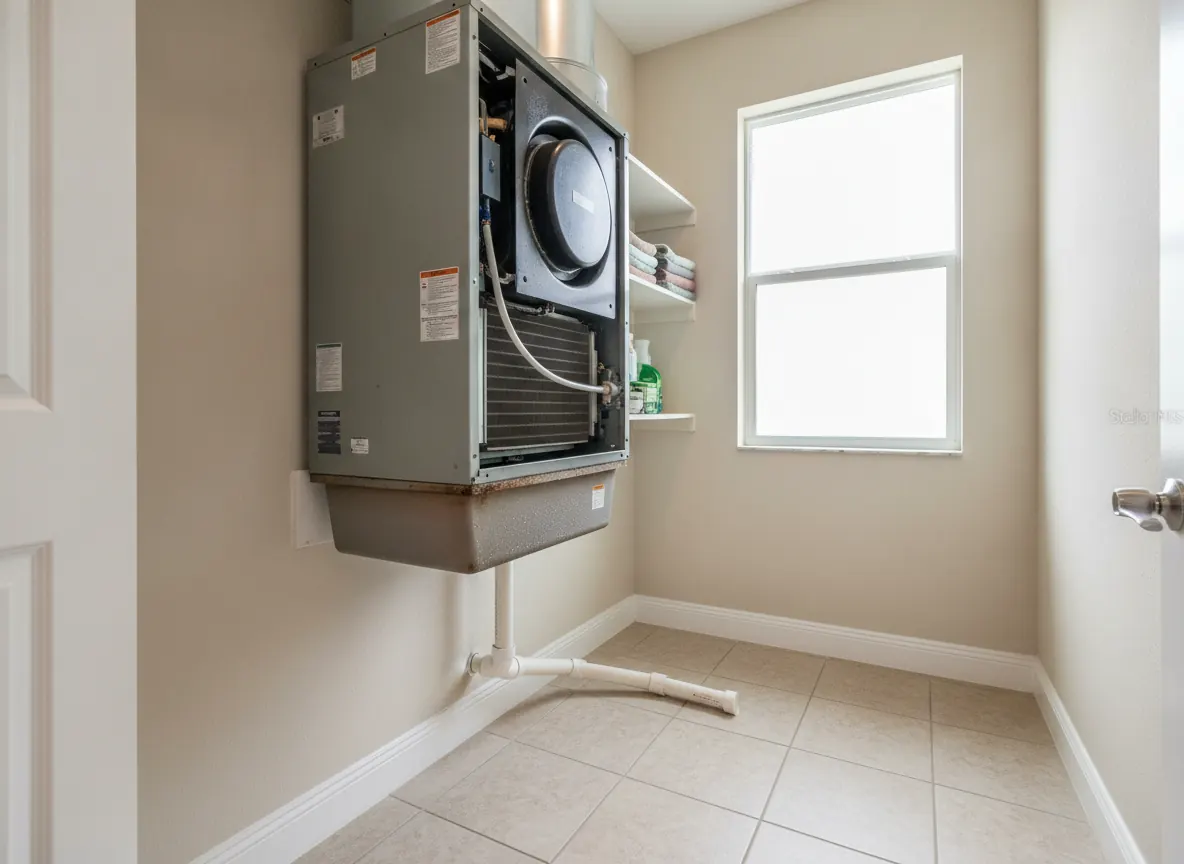
Signs of mold in an air conditioner or ducts
- A musty or dirty-sock smell when the system starts.
- Dark spots or fuzz on supply vents and the ceiling around them.
- Water in or around the drain pan, or a condensate line that backs up.
- A damp air-handler closet, or stains on the closet floor or wall.
- Visible growth on the coil, blower or the duct liner behind a return grille.
Common causes
A clogged condensate drain, a coil that stays wet, leaky or poorly insulated ducts in a hot attic, a system that cools without removing enough moisture, and a house closed up with the AC off or set too high.
Why Sarasota air conditioners grow mold
An air conditioner cools and pulls water out of the air. That water drips off the coil into a drain pan and out through the condensate line. In Sarasota, that happens most of the year. The Sarasota Bradenton airport averages about 85 days a year at 90°F or hotter (NOAA 1991–2020 normals), and summer dew points in the Tampa Bay area average about 72 to 74°F.
- Air handlers in closets and garages. Many Sarasota-area homes keep the air handler in an indoor closet or the garage. A clogged condensate line can overflow onto the closet floor or into a wall.
- Ducts in the attic. Supply ducts carry air far colder than the attic's dew point, so a gap in duct insulation can sweat and wet the insulation around it.
- Short cycling. A system that runs in short bursts may cool without removing much moisture.
- Closed-up seasonal homes. A home left with the AC off or set high over the summer has nothing pulling moisture out. Many owners leave the AC running on a moderate setting or add a dehumidifier; ask an HVAC contractor what fits your system.
If your AC mold started after a storm or a long power outage, see mold after hurricanes and floods.
Humidity target: EPA recommends keeping indoor humidity below 60%, ideally between 30 and 50%. A simple humidity meter shows whether your AC keeps up.
What the work typically involves
Inspect the system
Open the air handler and check the coil, drain pan, blower and condensate line, then look inside ducts at returns and supplies.
Fix the moisture
Clear the drain line, seal and insulate leaky ducts, and address sizing or airflow problems. That part is usually done by an AC contractor.
Clean or replace
Clean hard surfaces such as the coil, pan and blower. Moldy flexible duct and fibrous duct liner are often replaced rather than cleaned.
Contain and protect
Seal vents during the work so dust doesn't blow into rooms, and clean nearby surfaces where growth spread, such as the closet walls.
Restart and report
Restart the system, check that it drains, and give you a written report.
If mold also shows on the attic decking or insulation, see attic mold. The general steps are on the process page.
What AC and HVAC mold work costs
| Item | Typical range | Source |
|---|---|---|
| HVAC / ducts | $3,000–$10,000 | Fixr, Aug 2025 |
| Mold remediation, typical job | $1,500–$9,000 (avg ≈ $3,500) · $1,200–$3,750 (avg ≈ $2,300) | Fixr, Aug 2025 · This Old House, Mar 2026 |
| Air test · surface (tape/swab) test | $500–$700 · $150–$200 | Fixr, Jan 2025 |
New equipment, new ductwork and system resizing are usually priced by an AC contractor. Replacing an AC system generally needs a permit: in unincorporated Sarasota County, A/C change-outs were on the list of storm permit fees the county suspended in October 2024. Elsewhere, check with the city or county building department, and let the contractor pull the permit. Compare scopes in the Sarasota mold remediation cost guide.
Health note
EPA and CDC describe mold's main health effects as allergic and irritant reactions, such as a stuffy nose, itchy eyes, coughing or wheezing. People with asthma, allergies or weakened immune systems may be more sensitive. If anyone in the home has symptoms, see a doctor.
When to call a company and when to do it yourself
Florida's mold-licensing law covers mold growth over 10 square feet (s. 468.8411). For smaller areas, EPA says you can usually clean it yourself. Homeowners may also work on their own home (s. 468.841).
You can handle routine upkeep: change filters on schedule, keep the condensate line clear, wipe light surface spots off a vent grille, and keep humidity below 60%. Inside the air handler and ducts is different. Get quotes when you see growth on the coil, blower or duct liner, the smell returns after a filter change, or vents keep spotting. Renters should report AC mold to the landlord in writing; see mold in rentals.
Questions to ask before you hire
Florida licenses mold assessors and mold remediators through the Department of Business and Professional Regulation (DBPR) under Chapter 468, Part XVI. Before you hire, look up the company's license at myfloridalicense.com (search by name or license number). Some contractors are exempt (s. 468.841); ask which license covers the work.
In Florida, a company that does the mold assessment generally can't also do the remediation on the same structure within 12 months, and vice versa (s. 468.8419). If you want the ducts tested before or after the work, use a separate company.
- The company's DBPR license number. Look it up at myfloridalicense.com before you sign.
- A written contract signed by both sides (s. 468.8422).
- Proof of insurance (the law requires $1,000,000 general liability, s. 468.8421).
- A written assessment or remediation plan: what will be removed, cleaned or left, and how the area is contained.
- If you want a clearance test after the work, an independent assessor from a separate company.
- Which parts will be cleaned, which replaced, and who handles the AC repairs that fix the moisture.
AC and HVAC mold FAQ
Should I turn off my AC if there's mold in it?
If you can see mold on the air handler, coil or vents, avoid running the system over it until someone has looked, because the blower can spread spores and dust through the house. In a Sarasota summer that is hard, so get it checked soon and use a portable dehumidifier or room unit in the meantime if you can.
Why does my AC smell musty?
A musty smell when the AC starts often comes from a wet coil, a drain pan that holds water, or duct liner that stays damp. It can also come from mold elsewhere in the house that the system is pulling in. An HVAC technician can check the coil and pan; an independent assessor can help if the source is unclear.
Is duct cleaning the same as mold remediation?
Not quite. Routine duct cleaning removes dust. Mold work on an AC system usually means fixing the moisture source, cleaning or replacing moldy parts such as the coil, drain pan, blower or duct liner, and sometimes replacing flexible duct that can't be cleaned. Ask each company which parts it will clean, replace or leave.
How much does AC and duct mold removal cost?
Fixr's August 2025 range for HVAC and duct mold work is $3,000 to $10,000. Cleaning one air handler can cost less, while replacing ductwork or equipment can cost more. Sarasota-area quotes vary, so compare written scopes line by line.
Get AC and HVAC mold quotes in Sarasota
Tell us where the air handler sits (closet, garage or attic), what you see or smell, and whether there was a leak, outage or storm. We pass it to independent companies serving Sarasota and Manatee counties, and they reply with quotes.
Describe your situation any time; companies reply on their own schedules. Sarasota Mold Experts is a free quote service, not a mold company. The companies are independent and may pay to receive requests. There is no obligation, and you choose who to hire. Prefer to talk? Call (941) 393-1454
Found mold or a musty smell? Get free quotes.
Describe it once and independent mold companies serving Sarasota and Manatee counties can reply with no-obligation quotes.